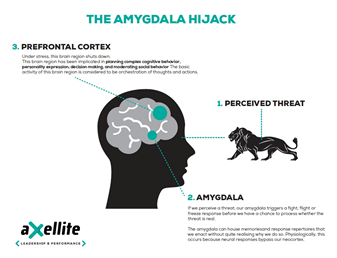
It is clinically proven and accepted that emotional stress and anxiety release chemicals into our system which impair cognition and short term memory. In evolutionary terms this bio-chemical reaction serves our drive for survival. When the stress response is triggered we tend to act without thinking, on an instinctual level. The classic fight, flight , freeze response. When the perceived threat or imminent danger recedes our bodies chemical balance readjusts and we are able to return to normal functioning. However studies have shown that prolonged or excessive exposure to emotional stress especially in infants and children has a detrimental effect on their developing brains. It can cause lasting damage to cognitive ability and episodic memory. Not only this but the child can become hard -wired for stress, the stress response is essentially on a hair trigger. Seemingly trivial events or situations can raise anxiety to unmanageable levels. This not only impacts the immediate social and educational life of the child but also increases the likelihood of future psychological and mental health issues.
“Repeated psycho-social stress in early life has significant impact on both behaviour and neural function which, together, increase vulnerability to depression”. (L Wang et al – 2013)
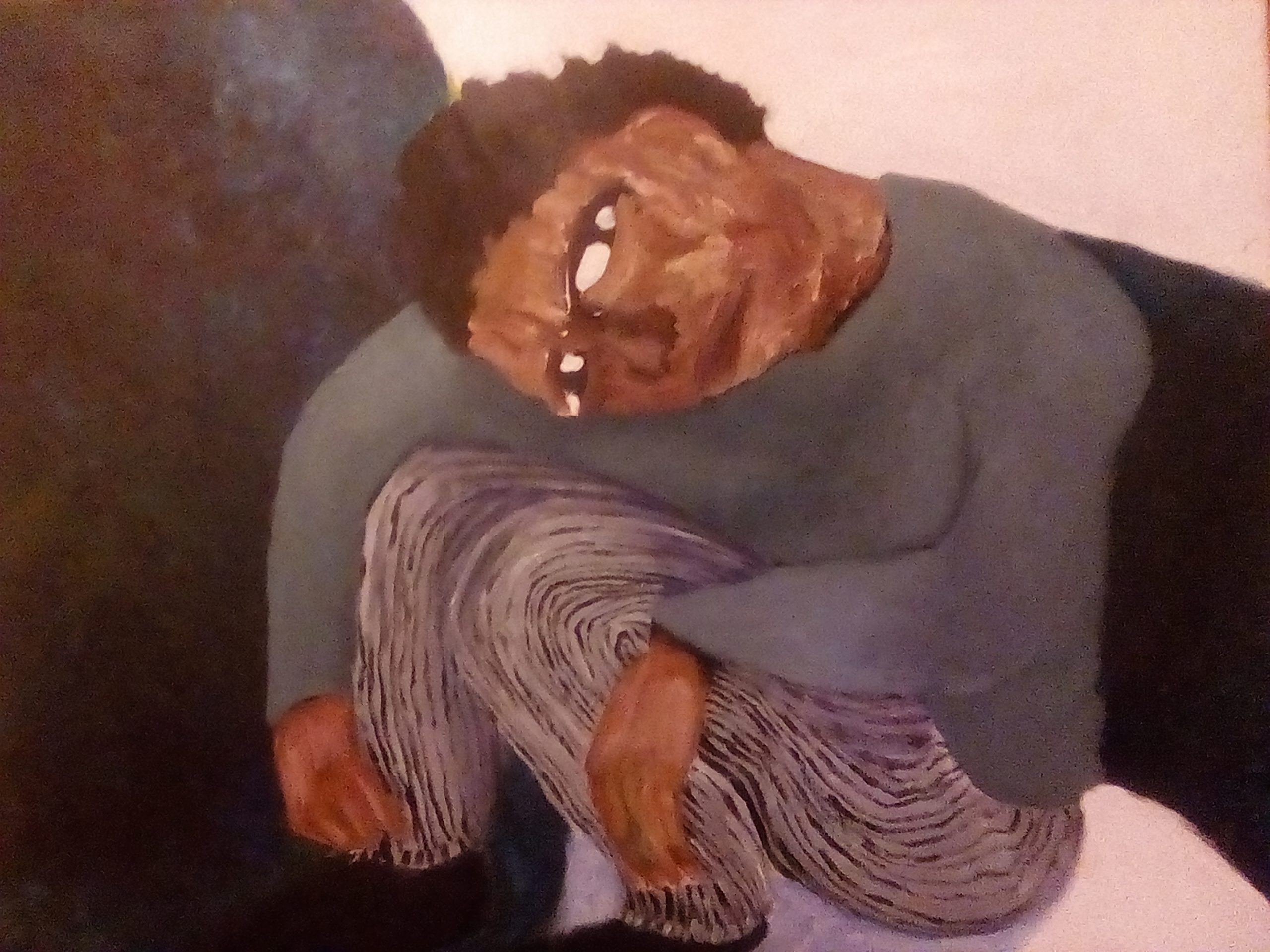
In many of our communities there are significant levels of deprivation and poverty. This social dimension exacerbates the difficulties experienced by children who are trying to negotiate this crucial period in their development.
The majority of families served by our schools struggle heroically to minimise the negative impact of living with poverty in an unequal society, however there are high levels of need within our communities. Underemployment, low wages, restricted access to resources, limited prospects, stunted aspiration and a stigmatised sense of self can all to often lead to depression and despair, which can in many cases lead to drug and alcohol dependency, crime, domestic violence and family break up. This can cause the children of these affected families to feel unsafe, insecure, isolated and emotionally disturbed. and of course exposes them to higher and more prolonged levels of stress. Children who are suffering will often cry out for help or adopt coping strategies in ways that in the long term are counter productive and detrimental to themselves and others. However with the right therapeutic intervention, time, patience and dedication these children can be helped.
Enquiries


 Art therapy